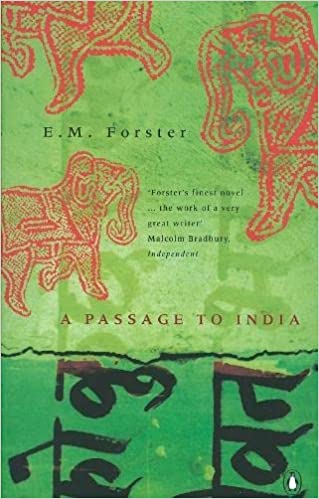

Book Summary –
A Passage to India by E.M. Forster is a profound exploration of the cultural, racial, and political tensions between the British and Indians during the British Raj. The novel centers on the friendship between Dr. Aziz, a young Indian Muslim physician, and two English visitors — Mrs. Moore and Miss Adela Quested — who wish to see the "real India." Their goodwill encounters a tragic misunderstanding when Adela accuses Aziz of assaulting her during a trip to the Marabar Caves. The ensuing trial exposes the deep divisions and prejudices between the colonizers and the colonized. Forster uses this event to explore themes of misunderstanding, spiritual conflict, and the limits of human connection under colonial rule. The novel’s rich symbolism and complex characters question whether true friendship or mutual understanding is possible in a world fractured by empire and race.
About the Author –
Edward Morgan Forster (1879–1970) was an acclaimed English novelist, essayist, and social commentator known for his keen insight into human relationships and class conflict. His works often explore the tension between individual freedom and societal expectations. Among his most famous novels are A Room with a View, Howards End, and A Passage to India. Forster’s writing blends wit, humanism, and moral inquiry, reflecting his belief in the importance of personal connection and empathy. He was also a prominent advocate for liberal and humanitarian causes and a member of the Bloomsbury Group, an influential circle of writers and intellectuals. A Passage to India (1924) is widely regarded as his masterpiece, earning international recognition for its deep psychological insight and its critique of British imperialism.