
Book Summary –
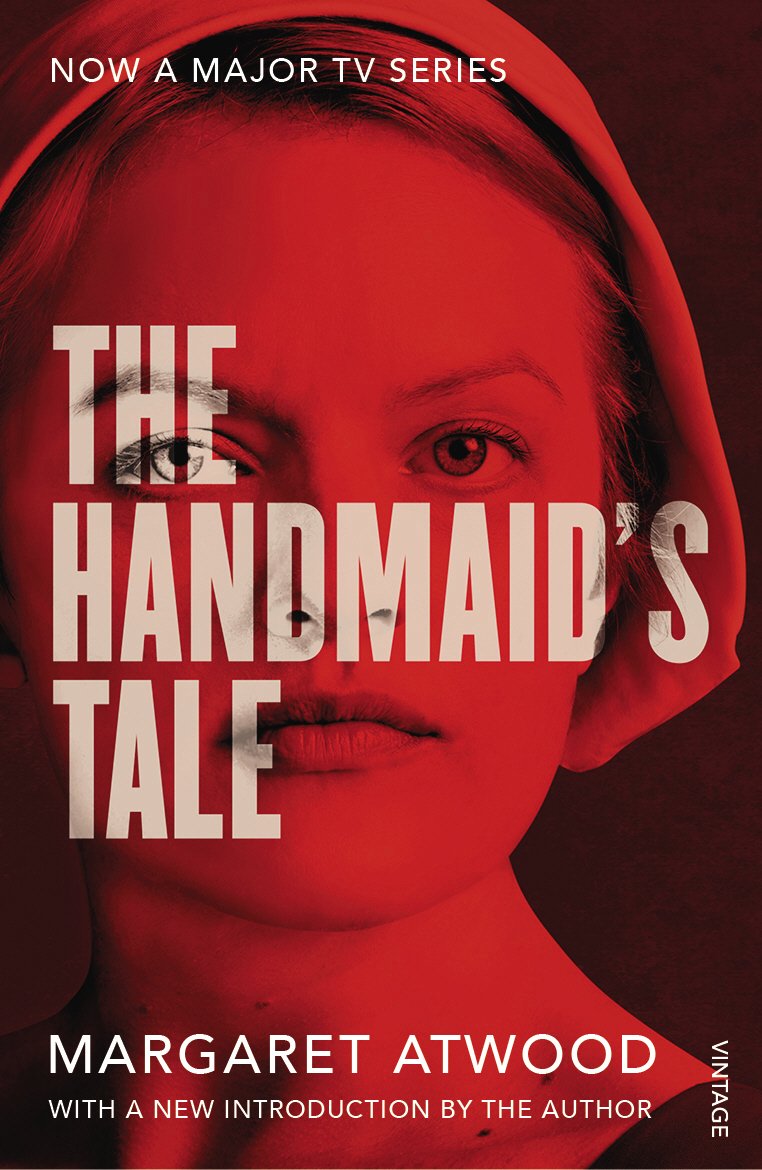
The Handmaid’s Tale is a dystopian novel by Margaret Atwood set in the near-future Republic of Gilead, a totalitarian theocracy that has overthrown the U.S. government. In this oppressive society, women are stripped of all rights and reduced to rigid roles based on their fertility. The story follows Offred, a “Handmaid” whose only function is to bear children for the ruling elite. Through her internal reflections and limited freedoms, the novel explores themes of gender oppression, power, resistance, and identity. As Offred remembers her life before Gilead, she silently rebels against the system in her own ways, clinging to hope and the possibility of escape. The Handmaid’s Tale is a chilling and powerful warning about authoritarianism and the loss of individual rights, especially for women.
About the Author –
Margaret Atwood is a Canadian author, poet, and literary critic, widely regarded as one of the most influential contemporary writers. Born in 1939, she has written across many genres, including speculative fiction, historical fiction, and poetry. Best known for The Handmaid’s Tale, Atwood’s work often explores feminist themes, environmental issues, and power dynamics in society. She has received numerous awards, including the Booker Prize and the Arthur C. Clarke Award, and her works have been translated into dozens of languages. Atwood is also a passionate advocate for free speech, human rights, and environmental causes. Her writing continues to resonate globally for its intellect, insight, and fearless engagement with critical social issues.
![Ikigai [Hardcover] by Francesc Miralles |Hectar Garcia](http://bestofusedbooks.com/cdn/shop/products/IKIGAI.jpg?v=1673343840&width=533)