
Book Summary
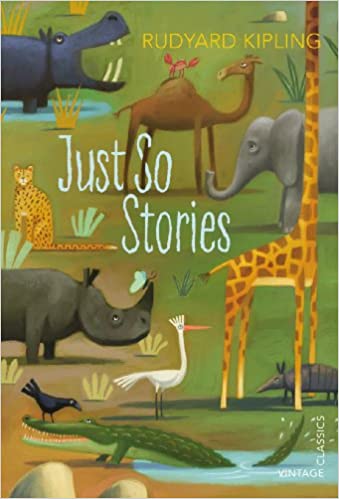
Just So Stories is a beloved collection of imaginative origin tales written by Rudyard Kipling, originally published in 1902. Aimed at children, the stories humorously explain how various animals acquired their distinctive features—such as “How the Leopard Got His Spots,” “How the Camel Got His Hump,” and “The Elephant’s Child.” Each tale is filled with playful language, rich descriptions, and a rhythmic, almost poetic style, often meant to be read aloud. Kipling weaves in elements of myth, nature, and fantasy, creating whimsical explanations for the quirks of the natural world. Though written for young readers, the stories contain layers of wit and moral lessons, making them enjoyable for adults as well. The collection continues to be a classic of children’s literature for its creativity, charm, and timeless storytelling.
About the Author:
Rudyard Kipling (1865–1936) was a British author, poet, and journalist, best known for his works of fiction for children and his vivid portrayals of British colonial India. Born in Bombay (now Mumbai), Kipling spent much of his early life in India, which strongly influenced his writing. He is perhaps most famous for The Jungle Book, Kim, and Just So Stories, all of which reflect his fascination with Indian culture, language, and landscape. In 1907, he became the first English-language writer to receive the Nobel Prize in Literature. While celebrated for his storytelling and narrative skill, Kipling’s work has also been criticized for its imperialist viewpoints. Nevertheless, his influence on English literature and children’s fiction remains significant, and many of his stories have endured as classics across generations.
![Ikigai [Hardcover] by Francesc Miralles |Hectar Garcia](http://bestofusedbooks.com/cdn/shop/products/IKIGAI.jpg?v=1673343840&width=533)