

Book Summary:
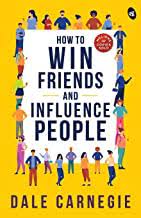
How to Win Friends and Influence People by Dale Carnegie is one of the most influential self-help books ever written, offering timeless principles for building better relationships and achieving success through effective communication. The book emphasizes that people thrive on appreciation, respect, and genuine interest—qualities far more powerful than criticism or argument. Carnegie outlines practical strategies such as remembering people’s names, listening actively, showing empathy, encouraging others to talk about themselves, and giving sincere praise. He also explains how to influence others by appealing to their interests, avoiding disputes, admitting mistakes quickly, and motivating people without offending or undermining them. Through real-life stories and simple, actionable advice, the book teaches that personal and professional success is deeply rooted in understanding human nature and treating others with kindness, tact, and authenticity.
About the Author:
Dale Carnegie (1888–1955) was an American writer, lecturer, and pioneer in the field of self-improvement, communication skills, and interpersonal effectiveness. Born into modest circumstances in Missouri, he developed an early interest in public speaking, which later led him to create the famous Dale Carnegie Courses in self-confidence and human relations. His teachings emphasized the importance of emotional intelligence long before the term existed. Carnegie’s books—including How to Stop Worrying and Start Living—have sold millions of copies worldwide and transformed the lives of countless readers. His legacy continues today through Dale Carnegie Training, a global organization that carries forward his principles of effective communication, leadership, and relationship-building.



![The secret [hardcover] by Rhonda Byrne](http://bestofusedbooks.com/cdn/shop/products/TheSecretHardcover.jpg?v=1627242539&width=533)