


Book Summary:
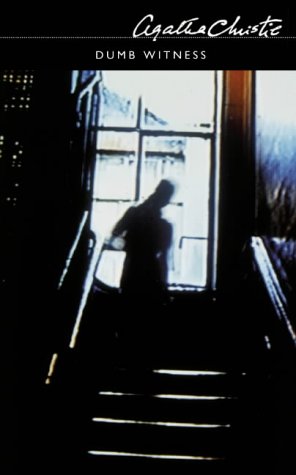
Dumb Witness by Agatha Christie is a classic Hercule Poirot mystery filled with suspense, deception, and clever deduction. The story begins with the wealthy Miss Emily Arundell, who suffers a mysterious fall down the stairs in her home. Although her family believes it to be an accident caused by her dog, Bob, Emily herself suspects foul play and writes a letter to the famous Belgian detective, Hercule Poirot. Unfortunately, by the time the letter reaches him, Miss Arundell is dead—apparently of natural causes. Poirot and his loyal friend Captain Hastings arrive in the quiet English town to investigate, only to uncover a web of greed, lies, and family tensions surrounding Emily’s fortune. With his usual brilliance and attention to detail, Poirot pieces together the clues—including one left by the silent “witness,” the dog—to reveal a shocking murderer. Dumb Witness (also published as Poirot Loses a Client) showcases Christie’s mastery of misdirection and her ability to turn ordinary domestic settings into scenes of chilling intrigue.
About the Author:
Agatha Christie (1890–1976) was a British author celebrated as the “Queen of Crime” and one of the best-selling writers in history. Over her career, she wrote 66 detective novels, 14 short story collections, and several plays, including the world’s longest-running stage production, The Mousetrap. Her most famous creations—Hercule Poirot and Miss Marple—have become iconic figures in detective fiction. Christie’s works are known for their ingenious plots, psychological insight, and surprising twists, which have captivated readers for nearly a century. Her novels, such as Murder on the Orient Express, The Murder of Roger Ackroyd, and And Then There Were None, have been translated into over 100 languages and sold billions of copies worldwide. Beyond her literary achievements, Agatha Christie remains a defining influence on the modern mystery genre.

![Ikigai [Hardcover] by Francesc Miralles |Hectar Garcia](http://bestofusedbooks.com/cdn/shop/products/IKIGAI.jpg?v=1673343840&width=533)