
Book Summary:
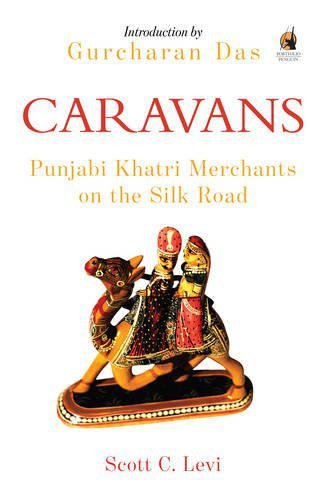
Caravans: Punjabi Khatri Merchants on the Silk Road by Scott C. Levi is a fascinating historical study that uncovers the vital role played by Punjabi Khatri merchants in connecting India to Central Asia through overland trade networks between the 16th and 19th centuries. The book challenges the common belief that overland trade declined after the rise of European maritime commerce, showing instead that Indian merchants—particularly the Khatris—continued to thrive as key players along the Silk Road. Through extensive archival research and historical evidence, Levi traces how these merchants established far-reaching trade and credit networks that spanned India, Afghanistan, Iran, and even Russia. The book explores their commercial practices, family ties, cultural adaptability, and interactions with local rulers and empires. By blending economic history with human stories of migration and resilience, Caravans provides a fresh perspective on how Indian merchants shaped early modern Eurasian trade and contributed to the interconnectedness of global economies long before the modern era.
About the Author:
Scott C. Levi is an American historian and professor of Central Asian history at The Ohio State University. His research focuses on the economic, social, and cultural history of early modern Central and South Asia, with special attention to trade networks, merchant diasporas, and cross-cultural interactions. Levi has written extensively on the historical connections between India and Central Asia, including works such as The Indian Diaspora in Central Asia and Its Trade, 1550–1900 and Central Asia in the Global Age: The Rise of the Uzbek Khanates. His scholarship is known for challenging Eurocentric narratives and highlighting the agency of Asian merchants and societies in shaping global trade. Through Caravans, Levi combines meticulous research with accessible storytelling to shed light on the dynamic role of Indian traders in the broader history of the Silk Road and early globalization.
![Ikigai [Hardcover] by Francesc Miralles |Hectar Garcia](http://bestofusedbooks.com/cdn/shop/products/IKIGAI.jpg?v=1673343840&width=533)